
If a meal can sit on a shelf for a long time, it is natural to wonder whether it still contains the nutrients our bodies need after heat treatment. Do protein, fibre and everything else we associate with nutritional value simply disappear at high temperatures? According to a food development expert, shelf life alone tells us nothing about a meal’s nutritional value. What matters far more is what goes into it and its nutritional composition.
According to Vilija Janušauskienė, Head of Product Development at Kauno grūdai, it is important to distinguish between shelf life and nutritional value when discussing Activus ready-to-eat meals. Heat treatment does not mean that food loses its main nutrients.
“If we use ingredients containing protein or fibre in a meal, those nutrients do not simply disappear during heat treatment. Minerals remain too. Some vitamins are more sensitive to heat and prolonged storage, so their levels may change slightly, but that does not mean the meal itself loses its nutritional value,” explains Janušauskienė.
Nutritional value depends on more than heat treatment
Heat treatment is not exclusive to industrial food production. We boil, bake, fry and stew food at home too, and deliberately cook some dishes for longer. One familiar example is stock, which has traditionally been simmered for an extended period to develop a richer flavour.
Janušauskienė points out that the nutritional value of a finished dish depends not only on how it is prepared, but also on the quality and freshness of its ingredients. When cooking at home, we often use vegetables that have spent several days or even a week in the fridge, during which time their nutritional value may decline. In production, the aim is to use ingredients as fresh as possible.
“Our mothers and grandmothers would simmer stock for a long time because a quick boil would not produce the same flavour. What we put into the pot matters just as much. In production, we use fresh ingredients that have not been waiting in the fridge for a week. Longer heat treatment alone therefore does not mean a meal becomes nutritionally poor. The main nutrients remain,” she says.
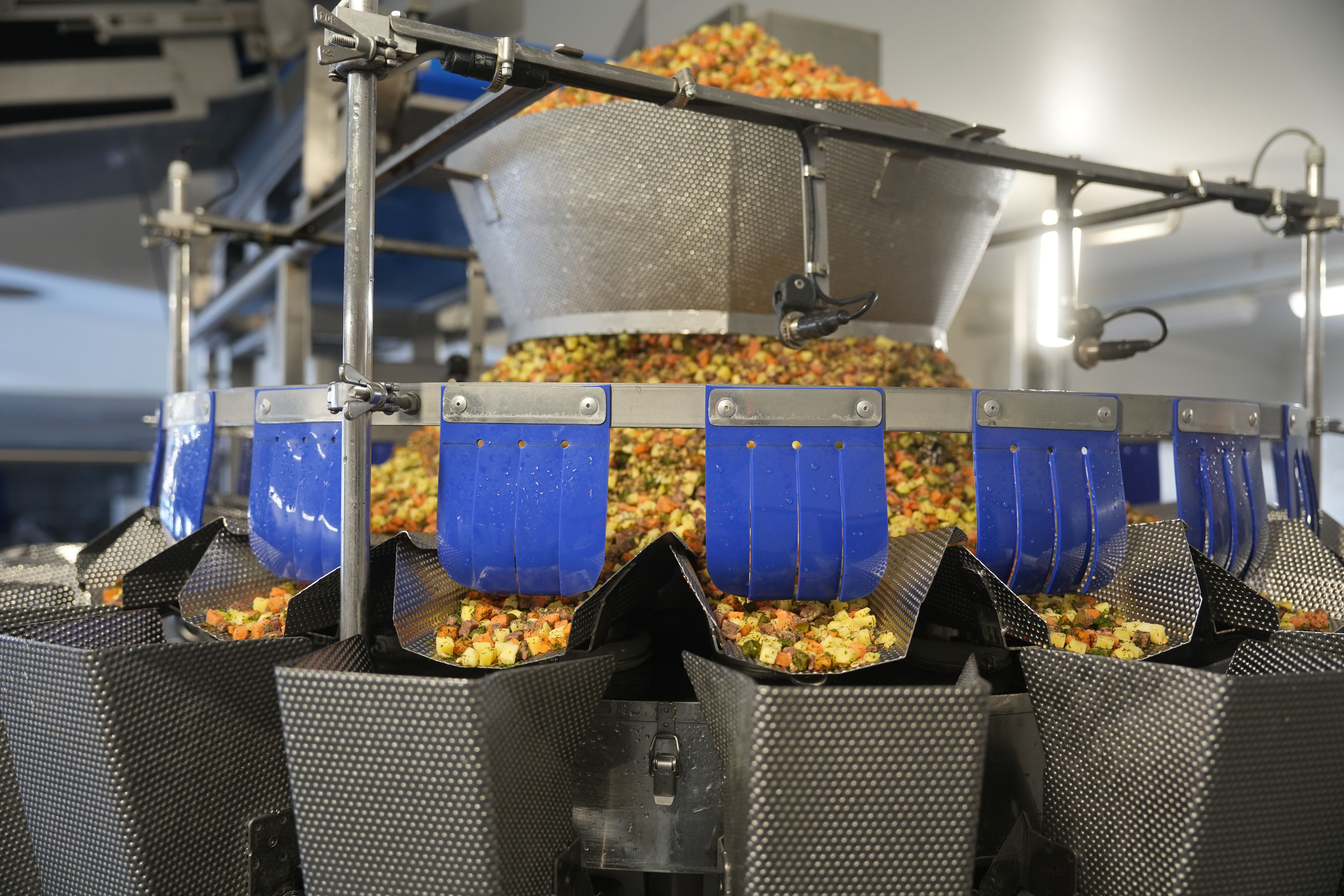
Ready-to-eat meal production involves several stages. Vegetables are prepared and chopped, other ingredients are added, and the meal is cooked and packed before undergoing a final heat treatment in its sealed packaging.
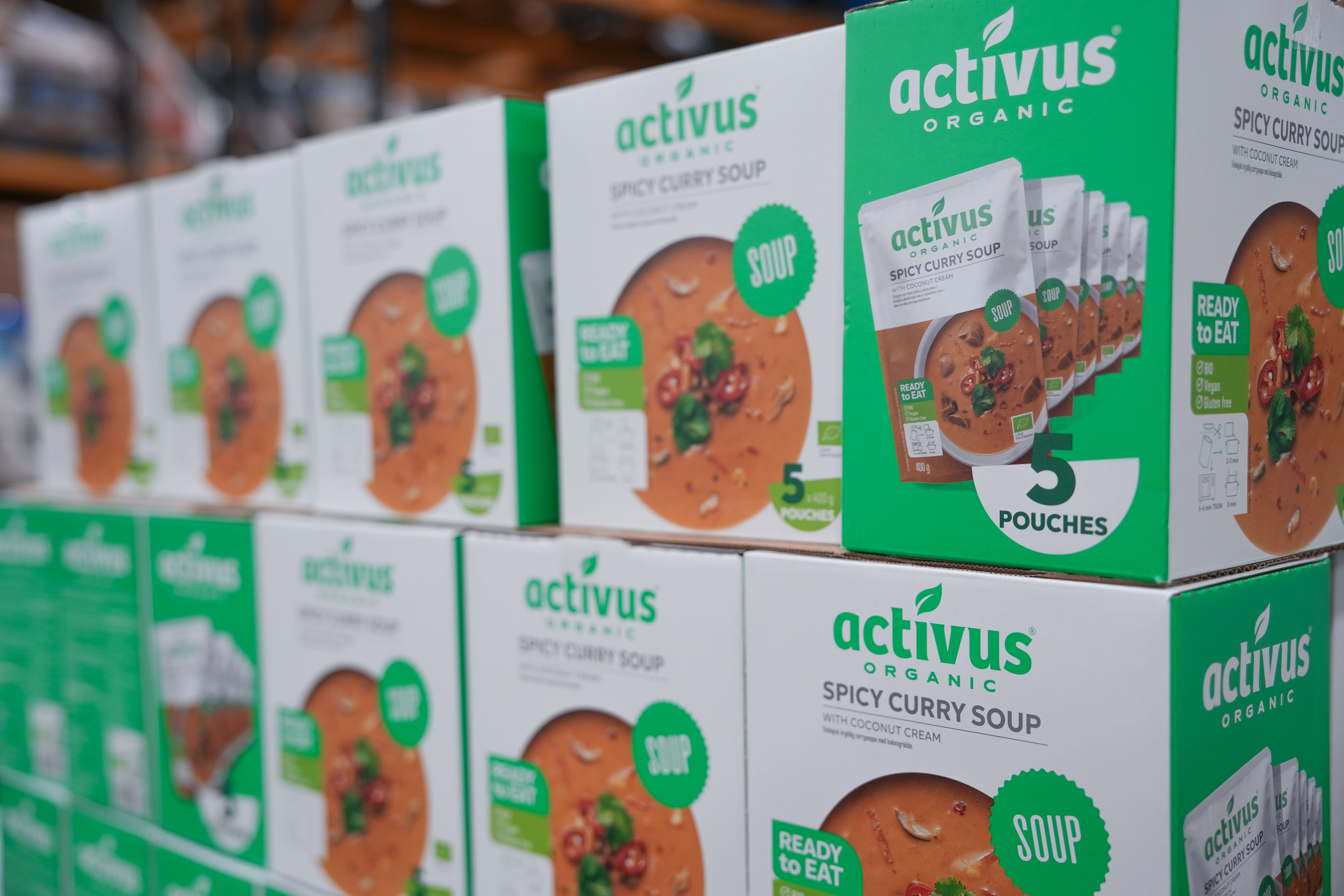
Although most Activus ready-to-eat soups and other meals are found in the preserved foods aisle, they contain no added preservatives. Heat treatment helps ensure their longer shelf life.
“Processed” does not necessarily mean nutritionally poor
According to Janušauskienė, whether a meal has been heat-treated should not be the main criterion for judging its nutritional value. Its composition tells us much more: which ingredients it contains and what nutrients they provide.
“What matters is what we put into the product. A product containing a lot of water and few nutritious ingredients will have one nutritional profile. If we use ingredients containing protein and fibre, that profile will be quite different. When choosing a product, I would therefore recommend looking beyond whether it has been heat-treated and checking its ingredients and the nutritional information on the label,” she explains.
Two meals produced using similar methods can therefore differ considerably in composition. The fact that a product is ready to eat or has a longer shelf life does not, on its own, tell us what nutrients it provides.
What should you look for on the label?
Janušauskienė recommends checking the nutritional information on the packaging. She highlights protein and fibre as key nutrients to consider, while also advising consumers to assess the amounts and sources of sugar, salt and fat.
“Protein and fibre are worth paying attention to. This does not mean that fat, sugar or salt must be avoided altogether: the amounts and overall balance matter. It is therefore worth looking at the product’s overall nutritional profile rather than focusing on a single number,” she says.
It is also important to remember that one meal is only part of a whole day’s diet. Label information showing the proportion of daily reference intakes provided by a serving can help put this into context.
“If one meal provides a large share of the daily reference intake for salt, sugar or fat, it is worth bearing that in mind when deciding what to eat for the rest of the day. We should consider not just an individual meal, but everything we eat throughout the day,” notes Janušauskienė.
Pulses can provide protein and fibre too
The expert highlights pulses as one ingredient that can add protein and fibre to the diet. They are also used in ready-to-eat meals, such as Activus three-lentil soup.
“Lentils are a good source of protein and fibre. Our three-lentil soup contains a substantial amount of lentils alongside other vegetables, making it one of the more nutritious soups in our range. By adding meat-based dishes to the range, we have also introduced more higher-protein options, such as beef stew with vegetables and pasta with Bolognese sauce,” says Janušauskienė.
Another quick way to incorporate pulses into everyday meals is to choose ready-to-eat steamed lentils, chickpeas or beans. These can be served as a side dish or added to salads, soups and other meals.
“Steamed pulses contain no liquid that needs to be drained before eating. The protein, fibre and minerals remain in the product itself. This makes them a simple way to add pulses to everyday meals quickly,” says Janušauskienė.